by PushtoLearn
Has vs Have: regole ed esercizi
Has vs Have – Esercizi
Questi esercizi si concentrano su Has vs Have
La regola di base: concordanza soggetto-verbo
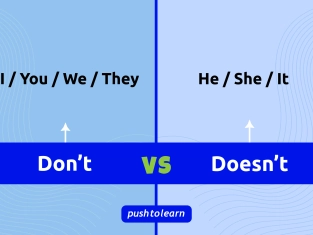
La scelta tra has e have dipende dal soggetto della frase.
|
Tipo di soggetto |
Uso |
Example |
|
He, She, It (terza persona singolare) |
has |
She has a cat. |
|
I, You, We, They (tutti gli altri soggetti) |
have |
They have a dog. |
Teoria e regole
1. Has si usa con soggetti alla terza persona singolare:
-
He, She, It o qualsiasi nome singolare.
-
Example: "He has a book."
2. Have si usa con:
-
I, You, We, They o qualsiasi nome plurale.
-
Example: "I have a question."
3. Nelle domande e nelle frasi negative si usa have con do/does:
-
Positive: "She has a bike."
-
Negative: "She does not have a bike."
-
Question: "Does she have a bike?"
Capire Has e Have con esempi
Considera queste due frasi:
-
Peter have a dog.
-
Peter has a dog.
Quale è corretta? La risposta è la seconda: Peter has a dog. Ma perché? Dipende dal soggetto della frase. Vediamo le regole.
Qual è la differenza tra Has e Have?
Sia has sia have derivano dal verbo to have, che significa:
-
Possedere: “She has a bike.”
-
Fare esperienza di: “They have fun at the park.”
-
Subire: “He has surgery tomorrow.”
Anche se entrambe le forme hanno lo stesso significato, has e have si usano in modo diverso in base al soggetto.
Quando usare Have
Usa have quando il soggetto è:
-
I, we, you, they (prima persona, seconda persona e terza persona plurale).
Examples:
-
I have a big family.
-
You have an interesting idea.
-
We have plenty of time.
-
They have new books.
Have si usa anche nelle domande e nelle frasi negative con do/does:
-
Do you have any plans?
-
She does not have a ticket.
Quando usare Has
Usa has quando il soggetto è:
-
He, she, it o un nome singolare (terza persona singolare).
Examples:
-
He has a new job.
-
She has a beautiful voice.
-
It has sharp claws.
-
The child has a fever.
Has vs. Have: tabella riassuntiva
|
Soggetto |
Uso |
Example |
|
I, We, You, They |
Have |
"We have a solution." |
|
He, She, It, nome singolare |
Has |
"She has a brother." |
Errori comuni e come evitarli
1. Usare have invece di has con soggetti singolari:
-
Incorrect: She have a car.
-
Correct: She has a car.
2. Usare has con soggetti plurali:
-
Incorrect: They has a plan.
-
Correct: They have a plan.
3. Errori nelle frasi negative:
-
Incorrect: He doesn’t has any homework.
-
Correct: He doesn’t have any homework.
Usi avanzati di Has e Have
1. Nomi collettivi
I nomi collettivi (come team, family, company) possono usare has o have a seconda del contesto:
-
The team has a new coach. (il team come unità)
-
The team have different opinions. (i membri del team come individui)
2. Verbi modali
Dopo i verbi modali (es. can, should, must), si usa sempre have, indipendentemente dal soggetto:
-
She should have called earlier.
-
They must have forgotten the address.
Passato: Had
Il passato sia di has sia di have è had. Had si usa con tutti i soggetti:
-
He had a dog when he was young.
-
They had a great time at the party.