by PushtoLearn
Present simple inglese: regole, uso ed esercizi
Esercizi
Forme
Affermativa (Frasi positive)
Usa il verbo nella forma base (work, play, read).
Aggiungi -s / -es con he, she, it.
I drink tea in the morning.
They live near the park.
He reads before bed.
She goes to the gym.
It rains a lot here in April.
Frasi negative
Usa do not (don’t) con I, you, we, they.
Usa does not (doesn’t) con he, she, it.
Il verbo principale torna alla forma base.
I don’t watch TV at lunch.
We don’t drive to work.
He doesn’t eat sugar.
She doesn’t speak Korean.
It doesn’t look safe.
Domande
Metti do o does all’inizio.
Poi aggiungi il soggetto e il verbo nella forma base.
Do you study online?
Do they open at 9?
Does he work on Saturdays?
Does she like jazz?
Domande Wh- (con parole interrogative):
Where do you live?
Why do they meet here?
When does he start?
What music does she play?
Regole di ortografia per la terza persona singolare
Quando il soggetto è he, she, it, i verbi cambiano:
Aggiungi -s: read – reads, play – plays
Aggiungi -es dopo ch, sh, ss, x, o: watch – watches, go – goes
Cambia y → ies dopo una consonante: study – studies
Irregolare: have – has
Verbo speciale: to be
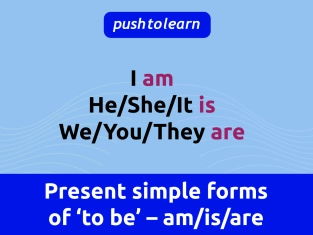
Be è diverso: non usa do/does. I am, You are, He/She/It is, We/They are
Forme negative: am not, isn’t, aren’t
Domande: metti il verbo all’inizio (Am I…? Is she…? Are they…?)
Esempi:
I’m ready. / I’m not ready. / Are you ready?
She’s a nurse. / She isn’t a nurse. / Is she a nurse?
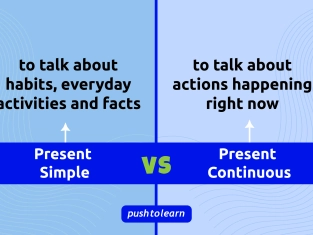
Quando usiamo il Present Simple
Abitudini e routine (cose che fai spesso):
I wake up at six. She takes the bus.
Fatti e verità (sempre veri):
Water boils at 100°C. The sun rises in the east.
Orari e programmi (orari fissi):
The museum opens at 10. The train leaves at 7:30.
Istruzioni (passaggi, ricette):
Add salt, then stir. Press “Submit” to finish.
Commenti e titoli di notizie:
Striker scores again! Mayor announces new plan.
Stati (sentimenti, opinioni, bisogni):
I believe you. She prefers tea. They need help.
Espressioni di tempo
Parole comuni con il Present Simple:
always, usually, often, sometimes, rarely, never
every day / week / year
on Mondays / on Sundays
twice a week, three times a month
at weekends
Esempi:
She usually studies in the evening.
We play football on Sundays.
He never drinks coffee.