by PushtoLearn
Present Simple w języku angielskim: zastosowania i przykłady
Ćwiczenia
Formy
Twierdzenie (zdania twierdzące)
Użyj czasownika w formie podstawowej (work, play, read).
Dodaj -s / -es z he, she, it.
I drink tea in the morning.
They live near the park.
He reads before bed.
She goes to the gym.
It rains a lot here in April.
Zdania przeczące
Użyj do not (don’t) z I, you, we, they.
Użyj does not (doesn’t) z he, she, it.
Czasownik główny wraca do formy podstawowej.
I don’t watch TV at lunch.
We don’t drive to work.
He doesn’t eat sugar.
She doesn’t speak Korean.
It doesn’t look safe.
Pytania
Umieść do lub does na początku.
Następnie dodaj podmiot i czasownik w formie podstawowej.
Do you study online?
Do they open at 9?
Does he work on Saturdays?
Does she like jazz?
Pytania typu Wh- (z zaimkami pytającymi):
Where do you live?
Why do they meet here?
When does he start?
What music does she play?
Zasady pisowni w trzeciej osobie liczby pojedynczej
Gdy podmiotem jest he, she, it, czasowniki się zmieniają:
Dodaj -s: read – reads, play – plays
Dodaj -es po ch, sh, ss, x, o: watch – watches, go – goes
Zmień y → ies po spółgłosce: study – studies
Nieregularny: have – has
Czasownik specjalny: to be
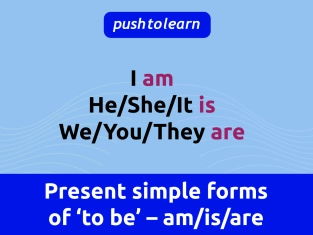
Be jest inny – nie używa do/does. I am, You are, He/She/It is, We/They are
Przeczenia: am not, isn’t, aren’t
Pytania: czasownik na pierwszym miejscu (Am I…? Is she…? Are they…?)
Przykłady:
I’m ready. / I’m not ready. / Are you ready?
She’s a nurse. / She isn’t a nurse. / Is she a nurse?
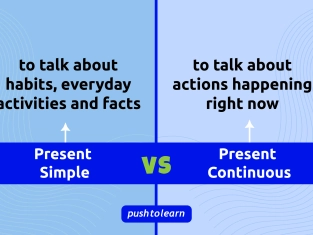
Kiedy używamy Present Simple
Nawyki i rutyny (czynności wykonywane często):
I wake up at six. She takes the bus.
Fakty i prawdy (zawsze prawdziwe):
Water boils at 100°C. The sun rises in the east.
Rozkłady i harmonogramy (stałe godziny):
The museum opens at 10. The train leaves at 7:30.
Instrukcje (kroki, przepisy):
Add salt, then stir. Press “Submit” to finish.
Komentarze i nagłówki wiadomości:
Striker scores again! Mayor announces new plan.
Stany (uczucia, opinie, potrzeby):
I believe you. She prefers tea. They need help.
Określenia czasu
Częste słowa z Present Simple:
always, usually, often, sometimes, rarely, never
every day / week / year
on Mondays / on Sundays
twice a week, three times a month
at weekends
Przykłady:
She usually studies in the evening.
We play football on Sundays.
He never drinks coffee.